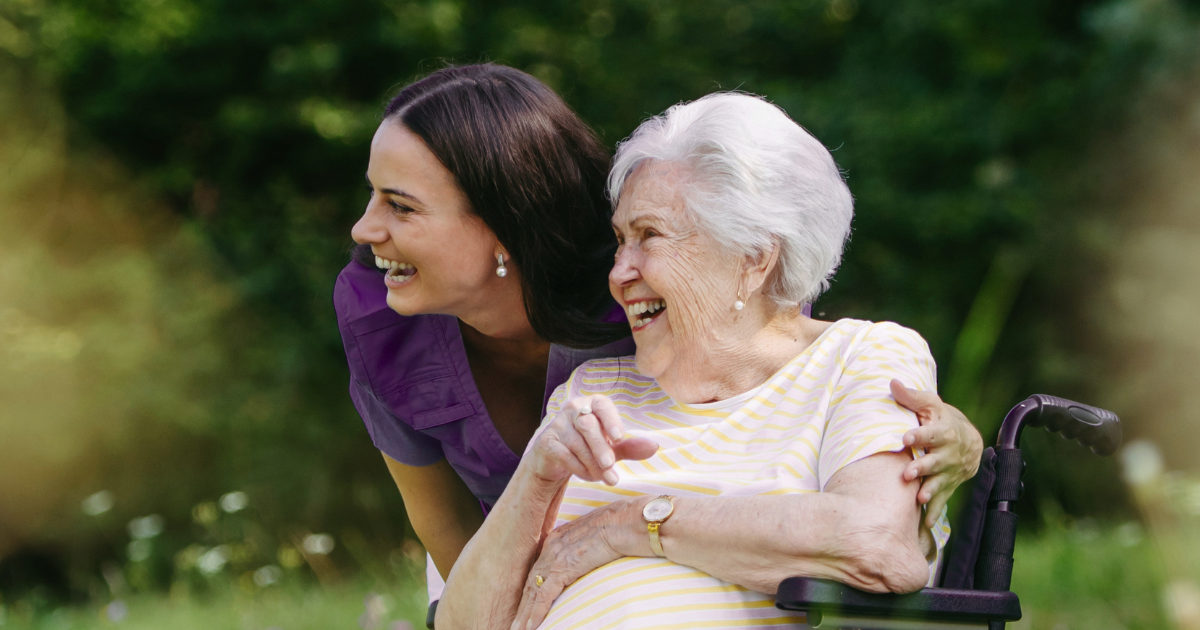
What Is Home Care? A Simple Guide to Care at Home
Home care allows people to receive the support they need while continuing to live in the comfort and familiarity of…

Living independently at home can be an important part of maintaining your independence as you get older. Being able to stay in familiar surroundings, follow your own routine and enjoy your home can make everyday life feel comfortable and familiar.
However, home safety is particularly important if you live alone. Taking a little time to think about potential safety risks and making a few simple changes can help you stay safe, comfortable and confident at home.
From preventing falls to improving home security, these safety tips for older people living alone can help make everyday life safer and more manageable.
Falls are one of the most common safety concerns for older people at home. Making a few simple changes can help reduce the risk of falls and improve overall home safety.
A safer home environment can make it easier to move around with confidence.
Good lighting is an important part of home safety, particularly if you live alone.
Make sure hallways, staircases, entrances and other frequently used areas are well lit. Night lights in the bedroom, hallway and bathroom can also make it easier to see where you’re going during the night.
It’s also a good safety tip to keep a torch somewhere easy to reach in case of a power cut.
Home security is another important part of staying safe when living alone.
Check that doors and windows are properly locked, particularly at night or when you’re going out. A door viewer or video doorbell can allow you to see who is outside before opening the door.
If someone arrives unexpectedly, you don’t have to open the door. If you’re unsure, ask them to provide identification or contact the company they say they represent using a trusted telephone number.
Motion-sensor outdoor lights and a suitable home security system may also provide additional reassurance and improve home safety.
Living alone doesn’t mean you have to feel alone.
Regular contact with family, friends and neighbours can provide companionship as well as an extra layer of safety and support.
You could arrange regular phone calls or visits, or ask someone you trust to check in with you at a particular time each day.
Getting to know your neighbours can also be helpful. Having someone nearby who knows you and can check on you if needed can provide additional peace of mind.
A personal alarm can be particularly useful if you live alone.
Many personal alarms can be worn around the wrist or neck and allow you to call for help if you have a fall or suddenly feel unwell.
Some systems can also detect a fall automatically. If you’re considering a personal alarm, look at the features carefully and choose an option that suits your needs.
For some older people, knowing that they have a way to quickly call for help can provide extra safety and reassurance.
The kitchen is another important area to consider when thinking about safety at home.
Try to keep frequently used items somewhere you can reach easily without climbing on chairs or stools. If something is too high or heavy to move safely, ask someone for help.
When cooking:
These simple kitchen safety habits can help reduce the risk of accidents.
Being prepared is an important part of staying safe at home.
Keep a torch, spare batteries and a basic first aid kit somewhere easy to find. It’s also useful to have a list of important telephone numbers nearby.
If you have a medical condition or take regular medication, keep an up-to-date list of your medicines and important health information in an accessible place.
For additional home safety, make sure you have working smoke alarms and carbon monoxide alarms where needed, and check them regularly.
It’s also worth knowing what to do in an emergency and having important contact details easily available.
Medication safety is another important consideration, particularly if you take several medicines.
Taking medication exactly as prescribed is important. A simple medication organiser or reminder system may help you keep track of your medicines.
Keep your medication somewhere safe and follow the storage instructions provided with it.
If you’re finding it difficult to manage your medication safely, speak to your GP, pharmacist or another healthcare professional about the support available.
One of the most important safety tips for living independently is knowing when to ask for help.
Heavy lifting, reaching high shelves, changing light bulbs or moving furniture can be difficult and may increase the risk of injury.
If something doesn’t feel safe, ask a family member, friend, neighbour or professional for help. Simple equipment such as a reacher or grabber can also make certain everyday tasks easier.
Asking for help when you need it is not a loss of independence. In many cases, it can actually help you remain independent for longer.
Personal and financial safety is just as important as physical safety.
Scams can affect people of all ages, so it’s important to be cautious when receiving unexpected calls, emails, texts or visitors.
Never feel pressured into making a decision or handing over personal or financial information.
If you’re unsure about a message, phone call or offer, take your time and speak to someone you trust before doing anything.
Remember: it’s okay to say no, hang up or walk away.
Staying safe at home doesn’t mean changing everything about the way you live. Often, a few simple safety adjustments can make everyday life more comfortable and secure.
Keeping floors clear, improving lighting, staying connected with others and asking for help when needed can all support your safety and independence at home.
At Fuchsia Homecare, we understand how important it is for people to feel safe, comfortable and independent in their own homes. Our care workers can provide practical support with everyday activities, helping customers continue to enjoy life at home while maintaining as much independence as possible.
Your home should be somewhere you feel comfortable and secure. Taking a little time to think about home safety can help you feel more confident about living independently.
And remember, asking for support doesn’t mean giving up your independence. Sometimes, having a little extra help with the things that are difficult can make it easier to stay safe and continue doing the things you enjoy. 💜
Want to see more from Fuchsia Homecare?
Follow us on social media for tips, updates and a closer look at what we do.
Continue exploring our blog for more helpful advice and updates:



2 Wharfedale Road, Ipswich, Suffolk, IP1 4JP
Tel: 01473 233797
On Call: 07340939102
Email: [email protected]
Opening Times
Monday – Friday – 8:30 – 17:00
Monday to Friday – 17:00 – 8:30 -Urgent, non-life-threatening concerns only
Saturday – Sunday -Urgent, non-life-threatening concerns only
13-17 Margett St, Cottenham, Cambridge, CB24 8QY
Tel: 01954 252486
On Call: 07366395930
Email: [email protected]
Opening Times
Monday – Friday – 8:30 – 17:00
Monday to Friday – 17:00 – 8:30 -Emergency Only Contact
Saturday – Sunday -Emergency Only Contact
Gainsborough Business Centre, 6 Challenge Way, Colchester, Essex, CO1 2LY
Tel: 01206 822491
On Call: 07585544871
Email: [email protected]
Opening Times
Monday – Friday – 8:30 – 17:00
Monday to Friday – 17:00 – 8:30 -Emergency Only Contact
Saturday – Sunday -Emergency Only Contact
Yarmouth Business Park, Suffolk Rd, Great Yarmouth, NR31 0LN
Tel: 01493738488
On Call: 07443145811
Email: [email protected]
Opening Times
Monday – Friday – 8:30 – 17:00
Monday to Friday – 17:00 – 8:30 -Emergency Only Contact
Saturday – Sunday -Emergency Only Contact
Unit 5, Beech Avenue Business Park, Taverham, Norfolk, NR8 6HW
Tel: 01603 542949
On Call: 07459826426
Email: [email protected]
Opening Times
Monday – Friday – 8:30 – 17:00
Monday to Friday – 17:00 – 8:30 -Emergency Only Contact
Saturday – Sunday -Emergency Only Contact